
Four-year-old Mia sat on the soft rug, holding her favorite picture book. "Mama, read with me!" she called. Her mother smiled and sat down beside her. "Let's read together," Mama said, turning the colorful pages. Mia pointed at the pictures of animals. "Look, a bunny!" she giggled. After the story, Mia hugged the book tight. She loved how the pages felt in her hands and how the pictures made her smile.

Mia watched as Daddy talked to the silver box on the kitchen counter. "Please turn on the lights," he said politely. The lights came on! "Wow!" said Mia. "Thank you," Daddy told the box. Mia thought that was funny. "Why do you say please to the box?" she asked. Daddy knelt down. "We should be kind to everything, even helpers," he explained. Mia nodded. Being kind was important, Mama and Daddy always said so.

At age six, Mia started first grade. Her teacher, Ms. Chen, read stories every day. Mia loved raising her hand to answer questions. "What color is the bird?" Ms. Chen asked. "Blue!" Mia called out. The classroom had tablets for learning games, but Mia still liked books best. At recess, she played tag with new friends. "You're it!" shouted her friend Emma. Mia laughed and chased Emma around the playground. School was fun!

By second grade, Mia could read all by herself. She checked out books from the library every week. "This one has a dragon!" she told the librarian, Mr. Lopez. He smiled. "Dragons are exciting!" he agreed. At home, Mia read to her stuffed animals. She made different voices for each character. "And then the princess saved the day!" Mia announced proudly. Reading made her feel like she could go anywhere and be anyone.

In third grade, Mia had to do a project about animals. She chose dolphins. Mia drew pictures and wrote facts on poster board. "Dolphins talk to each other with clicks!" she wrote in her best handwriting. She practiced presenting to Mama and Daddy. "Great job!" they cheered. In class, Mia stood tall and shared her project. Her classmates asked questions. "Do dolphins have friends?" asked a boy named Lucas. "Yes, they do!" Mia answered happily.

Fourth grade math was tricky. Mia struggled with fractions. Her teacher, Mr. Park, helped her after class. "Let's use pizza slices," he suggested. He drew circles on paper. "If we cut this pizza into four pieces, each piece is one-fourth," he explained. Mia's eyes lit up. "Oh, I get it now!" She practiced more problems. Soon fractions made sense. Mia learned that asking for help was brave, not bad.

In fifth grade, Mia met a girl named Sophie at lunch. "Can I sit here?" Sophie asked shyly. "Yes!" said Mia, moving her backpack. They talked about their favorite books and games. "I like stories about adventures," Sophie shared. "Me too!" Mia agreed. They became best friends. At recess, they played pretend games together. Sometimes Emma joined them. Having good friends made every day brighter. Mia was grateful for her buddies.

Sixth grade brought the science fair. Mia decided to test which materials kept ice from melting. She wrapped ice cubes in foil, cloth, and paper. Mia checked them every hour, taking notes. "The foil works best!" she discovered. She made a display board with her results. At the fair, judges asked her questions. "Why did you choose this experiment?" one asked. "I wanted to learn about insulation," Mia explained confidently.

In seventh grade, Mia took a computer class. She learned to make simple animations. "Look, I made a cat jump!" she showed Sophie. They worked together on a project about recycling. Mia designed the graphics while Sophie wrote the words. "We make a good team," Sophie said. Mia agreed. The computer was a helpful tool, but working with a real friend was more fun. Their presentation got an A-plus from their teacher.

Eighth grade was hard sometimes. Mia felt shy about speaking up in class. One day, her teacher asked about pollution. Mia knew the answer but hesitated. Then she remembered what Daddy always said: "Your ideas matter." She raised her hand. "Plastic in oceans hurts sea animals," Mia said. Her teacher smiled. "Excellent point, Mia!" After that, Mia spoke up more often. She realized her voice was important and worth sharing.

In ninth grade, Mia took environmental science. Her class learned about local animals in danger. "The spotted salamander needs our help," explained Ms. Rivera. Mia felt worried. "What can we do?" she asked. Ms. Rivera smiled. "That's the right question." Mia researched salamanders at the library. She learned they lived in special wetlands. "We need to protect their homes!" Mia told her class. She felt excited to make a difference.

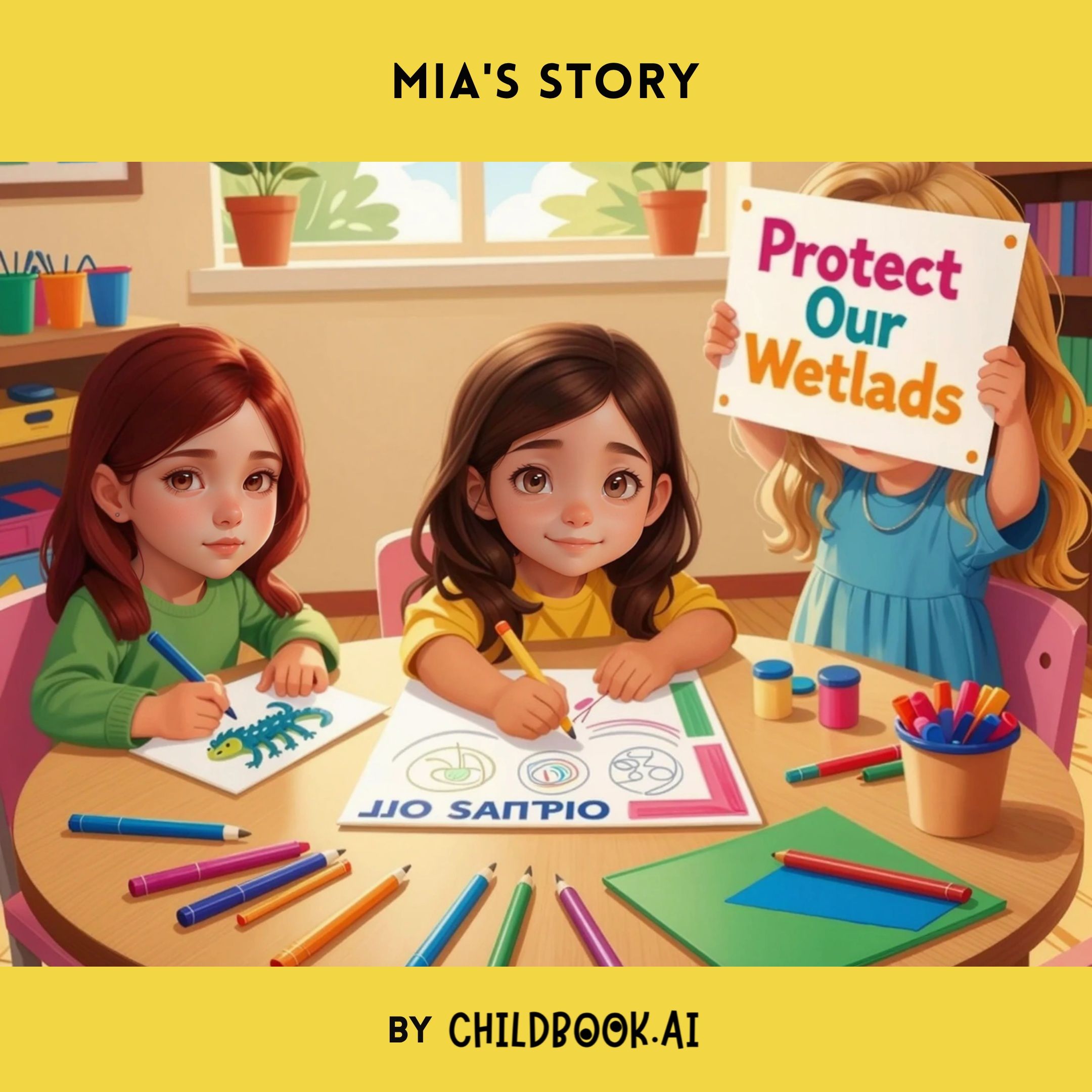
Mia started a project to help the salamanders. She made posters about protecting wetlands. "Want to help?" she asked Sophie and Emma. "Absolutely!" they said together. They talked to neighbors and raised money. Even Mr. Lopez from the old library donated! In three months, they raised enough to help protect salamander habitat. "You did it, Mia!" cheered Mama and Daddy. Mia smiled. She learned that caring about something and working hard could really change the world.